Pilot watch (IWC) luxury watches

IWC Pilot's Watch

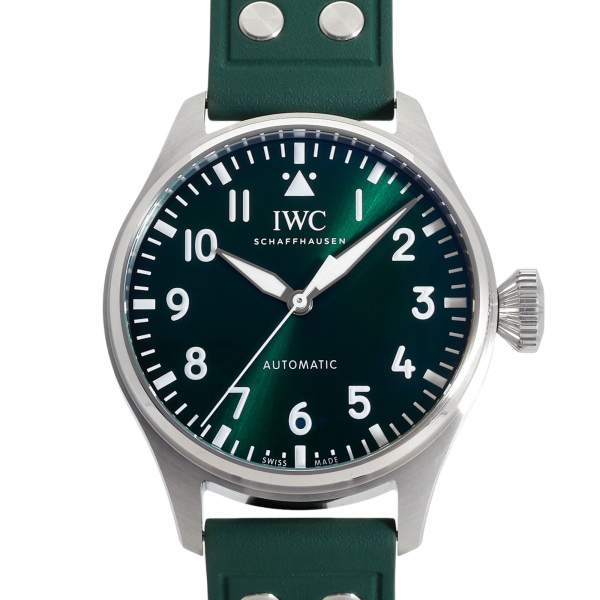
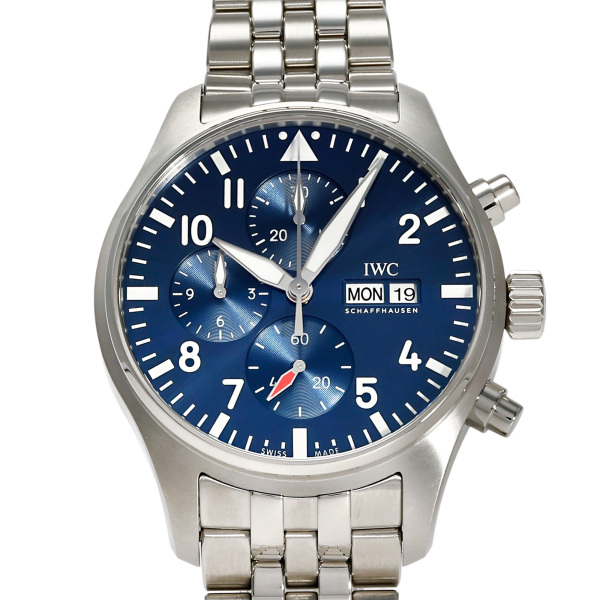
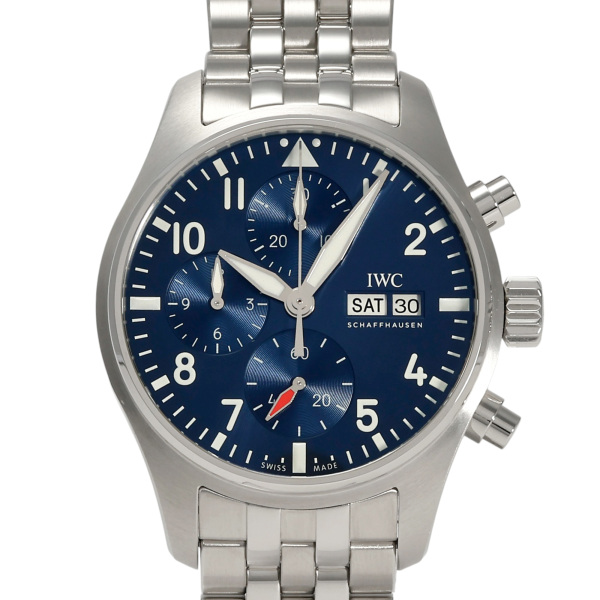
Pilot's watches debuted in 1936. As the name suggests, they were originally designed for commercial pilots. In 1948, the Mark 11, the first in the Mark series that continues to this day, was released. Issued to pilots of the Royal Air Force, it enjoyed a long and successful career. Its distinctive design, a triangular index at 12 o'clock, allows pilots to instantly recognize the position of the hands while piloting a plane, and remains a staple in current models. The black dial with luminous hands and indexes is known as cockpit design, and has become a signature style of pilot's watches. The large, conical crown used on Big Pilot's Watches is designed for easy adjustment and winding, even while wearing gloves. It's these meticulous details that make these watches so popular today.

Delivery to some areas may be delayed due to typhoons.Please understand beforehand.

Pilot's Watch FAQ

I bought a pilot's watch but don't want to use it... should I store it?

IWC emphasizes practicality. Many people say that it is best to use it, and it is better suited to everyday use rather than storage.

Why is the Mark 20 so expensive?

It features a professional military-style design, a robust dial that emphasizes visibility, and a screw-down soft iron inner case.

Why is the Mark 20 so expensive?

It has been highly praised for its robust military-spec design, inner case, and dial design that emphasizes visibility.

How often should I service my pilot's watch?

Mechanical models are recommended to be overhauled every 3 to 5 years. If you notice any discrepancies in time or unusual noises, we recommend having your watch inspected early.

Are chronograph models suitable for everyday use?

Although it has a more substantial feel, it is highly maneuverable and easy to see, and is considered a model that will provide high satisfaction even when used daily.

Double Top SHIZUKU
December's lineup
Black Friday
Regalia New Release

Handling brand