Kihei jewelry | New & Used Items List
Explanation of Kihei Jewelry / About Kihei Chain

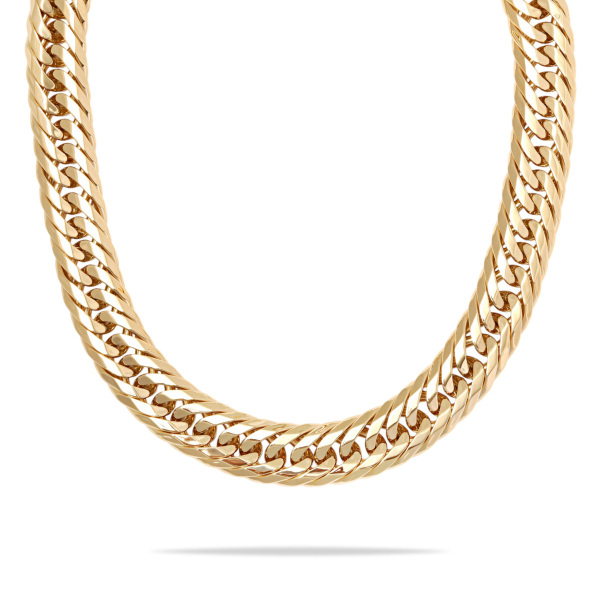
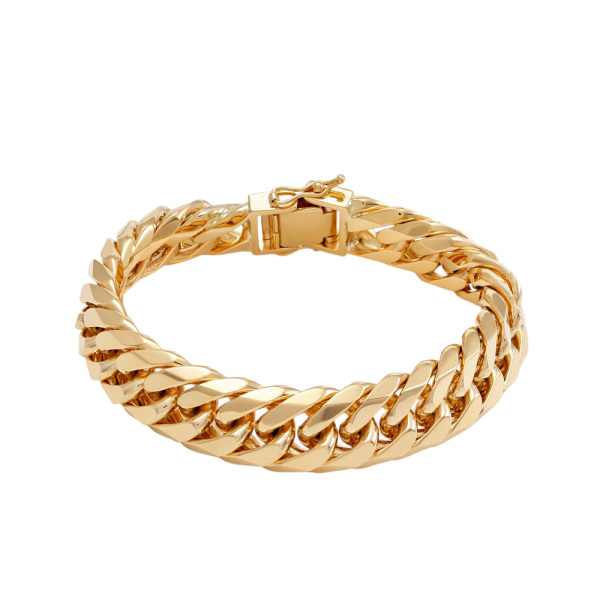
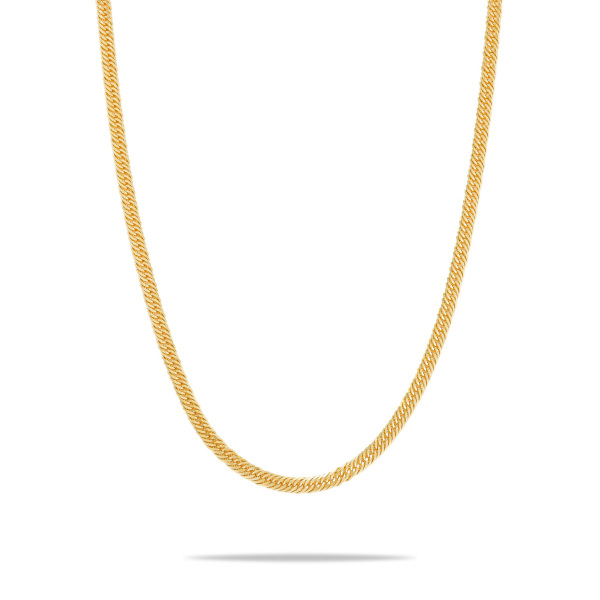
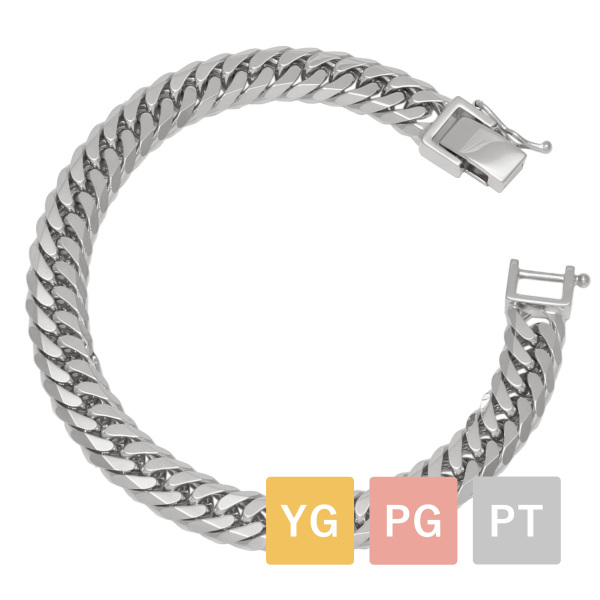
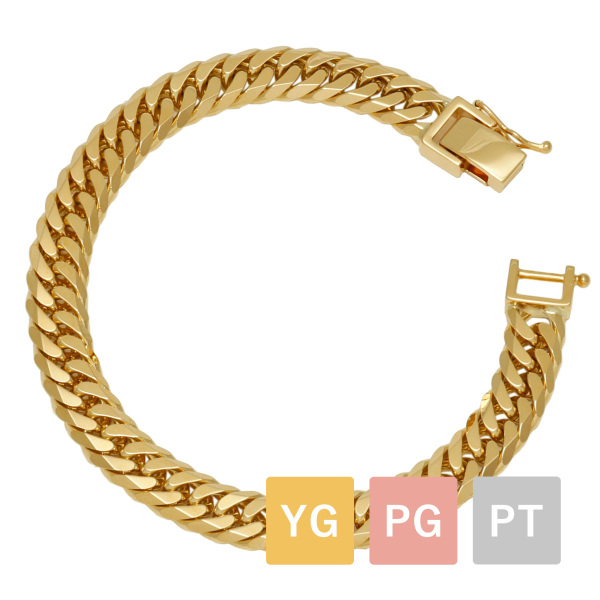
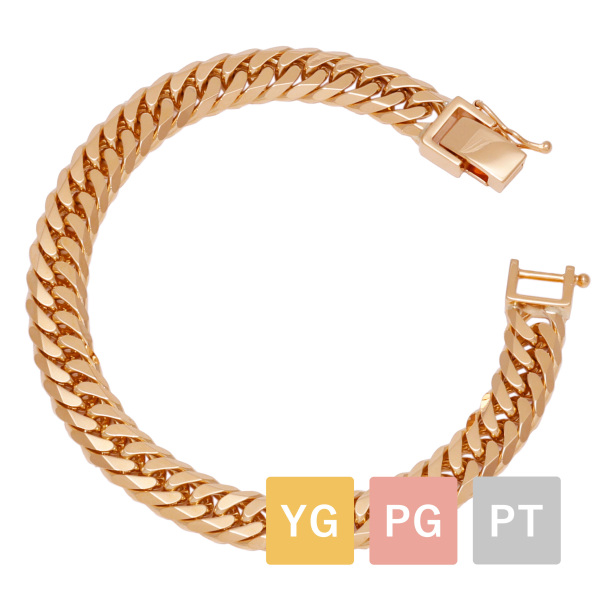
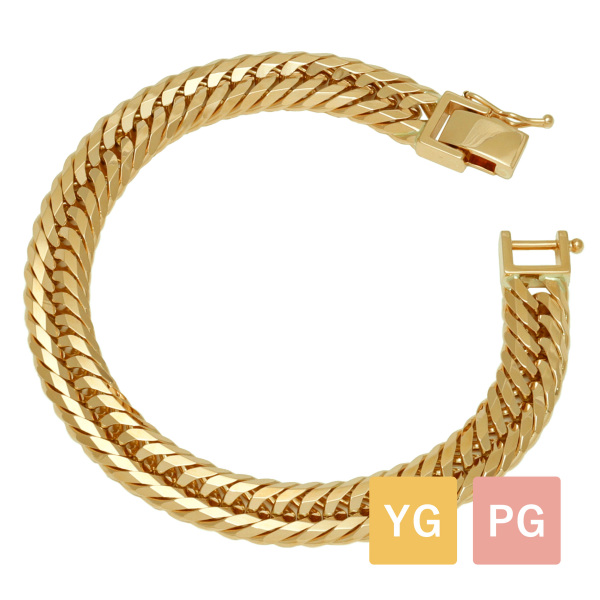
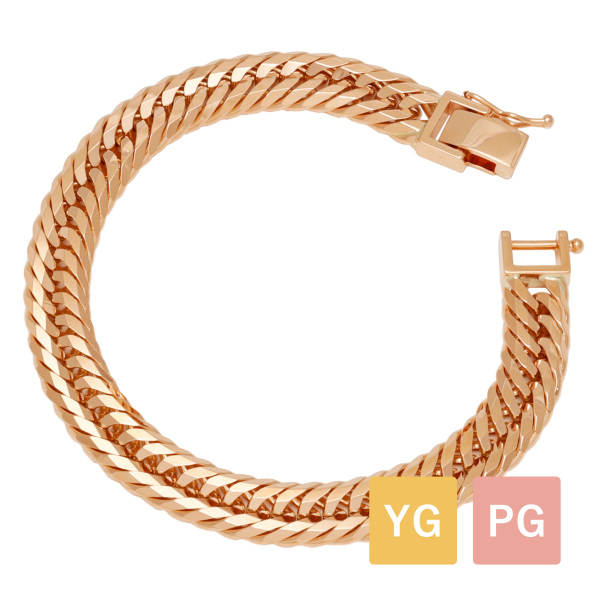
Kihei refers to a chain designed with flat links connected in a row. Each link is arranged in a regular pattern, giving it a simple yet profound shine. Gold and platinum Kihei chains in particular have become standard necklaces and bracelets, and have enjoyed great popularity in Japan for many years. This is because they combine both "timeless beauty" and "high asset value."
The history and origin of the Kihei chain
The roots of the Kihei chain are said to be in Europe, but it wasn't until the period of rapid economic growth that it became widely popular in Japan. At the time, demand for gold as a "physical asset" increased, and attention was drawn to the stable value of the gold market. There are various theories about the origin of the name "Kihei," including one that it comes from the name of a Japanese craftsman, and another that it comes from the pronunciation of the word "Kihei," which means "a simple and pleasing shape." In any case, it has become a uniquely Japanese term, and is now synonymous with gold jewelry.
Types of Kihei designs
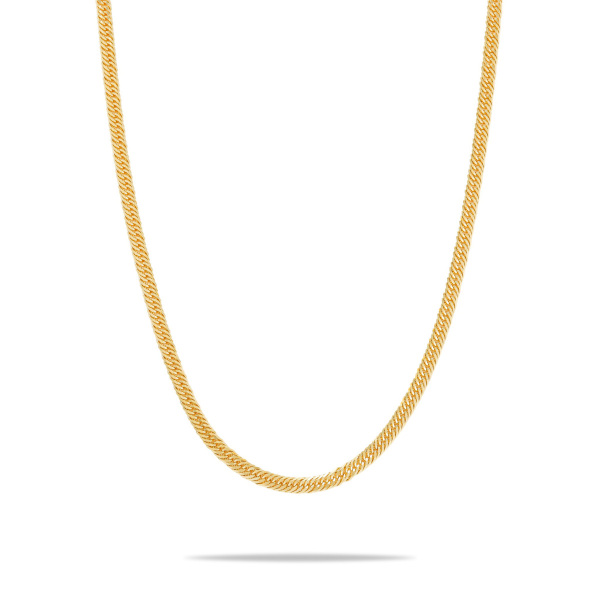
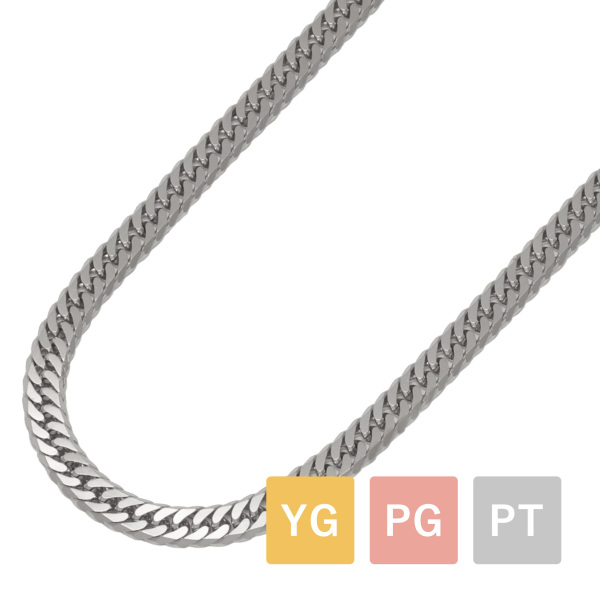
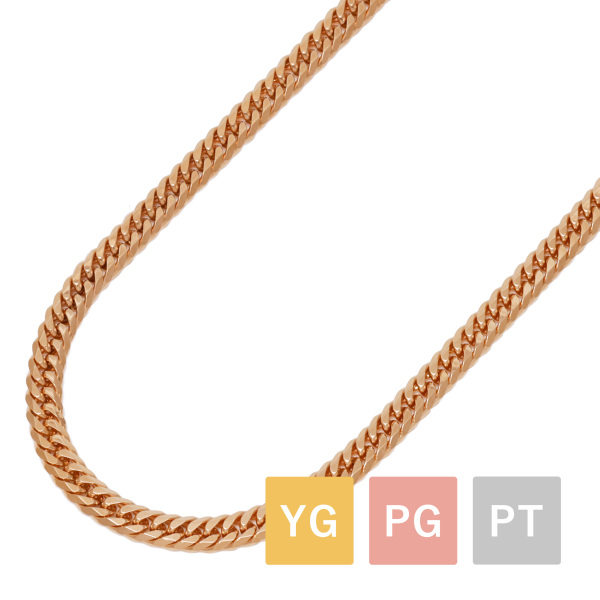
There are three main types of kihei chains: single, double, and triple. Furthermore, the impression they give varies greatly depending on their thickness and length. A thick, short necklace has a masculine presence, while a thin, long one is easy to match with formal attire, giving you a wide range of options depending on the occasion and fashion.
Single Curbside

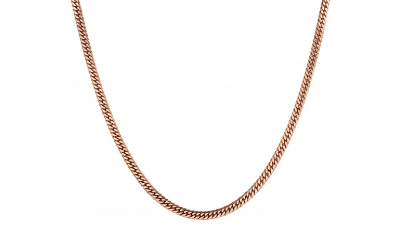
Simple, lightweight and easy to use
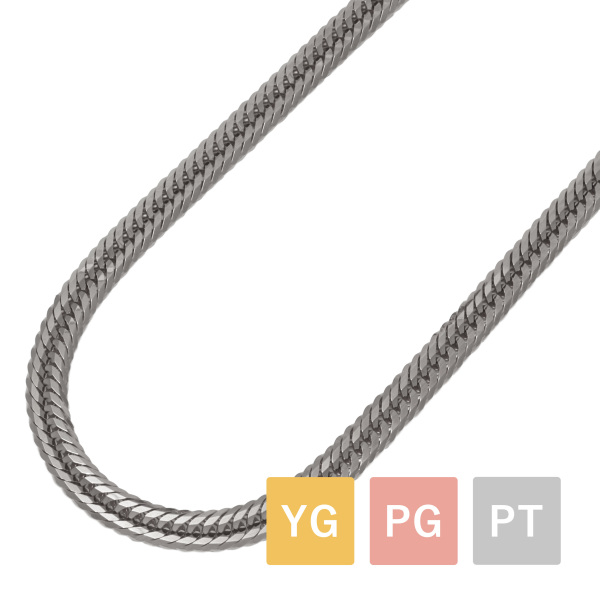
Double Curbside

The double-layered links add shine and weight.
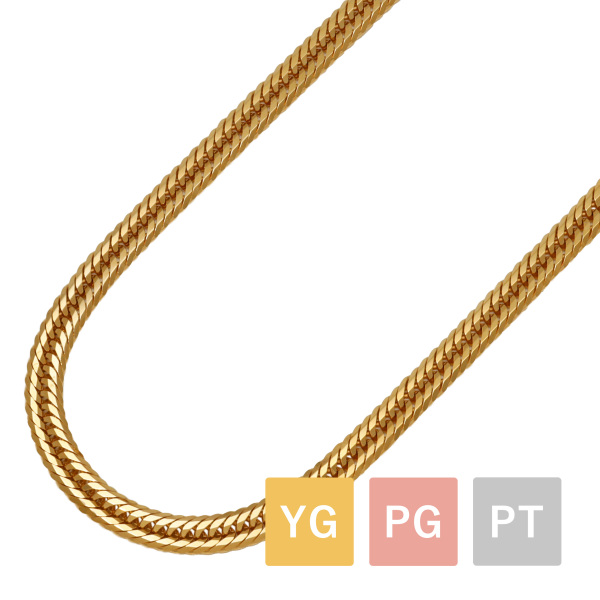
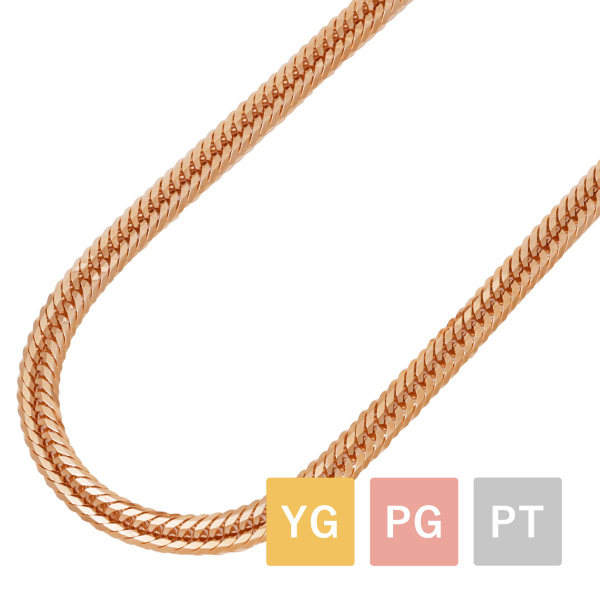
Triple Curbside

It has a more three-dimensional, luxurious feel and is a valuable asset.
The materials and value of Kihei
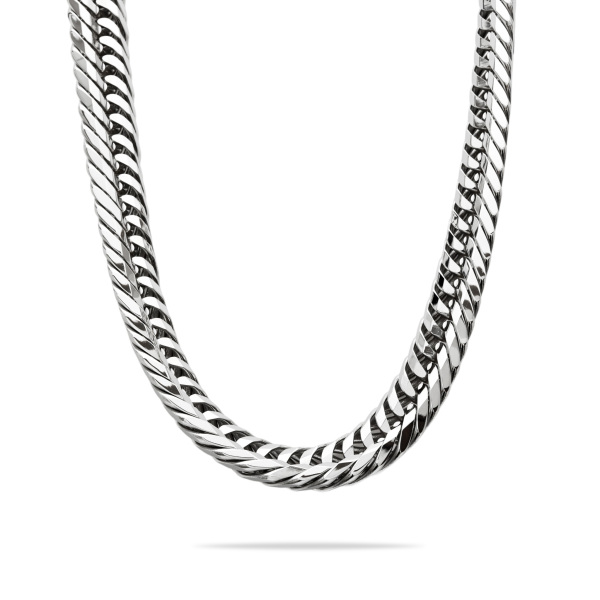
The most popular type of kihei is 18k gold (K18). It combines moderate hardness with a beautiful golden color and is resistant to tarnishing even with long-term use. 24k gold (pure gold) kihei is softer, but its high purity makes it highly valued as an asset. Platinum kihei also has an elegant white shine and is suitable for weddings and formal occasions. Silver is relatively affordable and popular with younger generations. By understanding the characteristics of each material and making your selection, you will be able to find a kihei that you can enjoy for a long time.
Points to consider when choosing a kihei
When choosing a kihei, the following points are important:
1) A design that suits the occasion: Single wallets are recommended for everyday use, while double or triple wallets are recommended for special occasions or for investment purposes.
2) Type of item: Necklaces are fashionable, while bracelets are modest yet can create a luxurious feel.
3) Type of fastener: The snap-on type is durable and has a high asset value, while the pull-ring type is lightweight and suitable for casual wear.
By taking these into consideration, you can maximize not only appearance but also usability and ownership value.
The reason for the popularity of Kihei
The reason why Kihei is chosen by so many people is because of its "universality" that goes beyond mere jewelry. Its simple shape is not easily influenced by trends and can be easily matched with any fashion. Also, because it has the asset value of gold or platinum, it is attractive because it can be held as a physical asset while being an ornament. It is especially popular among men as an item that symbolizes "strength" and "stability."
How to care for and store your Kihei
Daily care is essential to enjoying your Kihei for a long time. After use, wipe off sweat and sebum with a soft cloth, and store it in its special case to prevent scratches. Gold and platinum are materials that do not easily tarnish, but dust and oil can dull their shine, so regular cleaning is recommended.
The meaning of giving Kihei as a gift
Kihei is said to symbolize "robustness" and "durability." For this reason, it is a type of jewelry that is often given as a gift for milestone occasions such as coming-of-age celebrations, employment celebrations, and wedding anniversaries. It is also popular as a gift for men, and the reason it is appreciated is that it combines practicality with asset value. Its greatest appeal is that it is not just an accessory, but can be given with the meaning of "a lifetime gift."
Asset value and resale of Kihei coins
Another appeal of Kihei is its asset value, which is linked to the bullion market price. The prices of gold and platinum are stable worldwide, and they tend to maintain their value over the long term. Furthermore, there is high demand in the second-hand market, so you can expect a high resale value. Not only can you enjoy it as jewelry, but the peace of mind of knowing that you can turn it into cash as an asset in the event of an emergency is also why Kihei has been loved for so many years.
summary
Kihei is a simple yet dignified chain design, a special piece that combines the beauty of jewelry with its value as an asset. By understanding its history, origins, the types of designs, and how to choose one, you can choose the one that best suits you. Kihei is truly a "versatile piece of jewelry," suitable for everyday wear, formal occasions, and even as a gift or investment.
What is the Miami Cuban Chain?
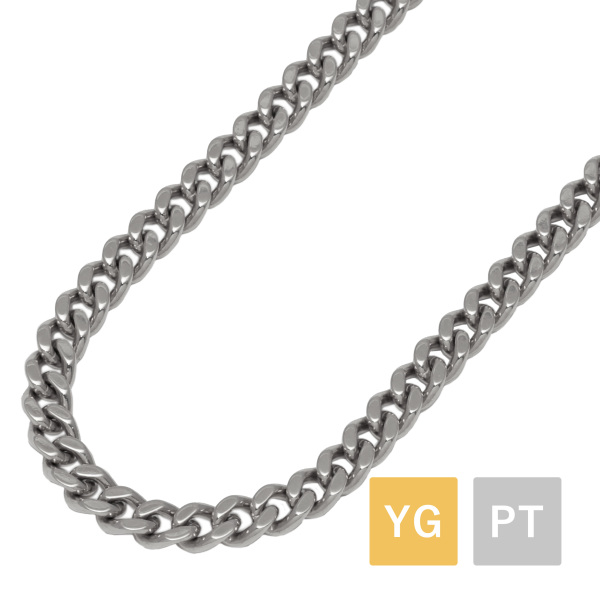
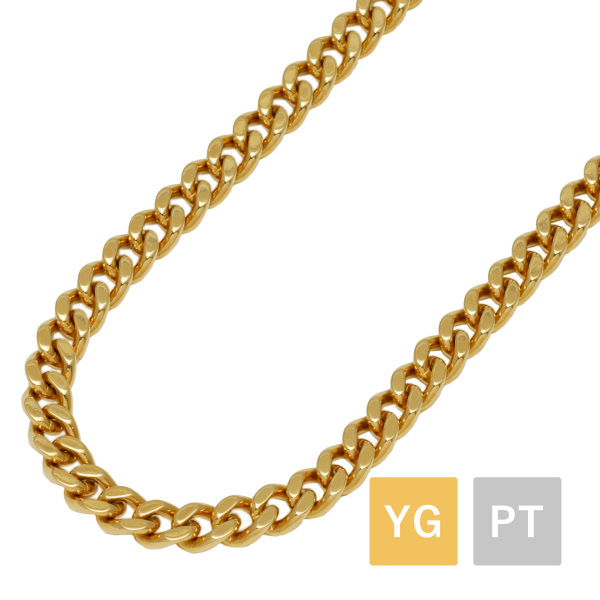
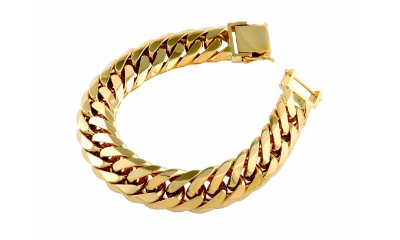
The Miami Cuban chain is similar in shape to the Kihei chain, but is thicker and has a rounded, voluminous feel.
There are various theories, but as the name suggests, the style originated in Miami or Cuba in the United States, and matched the influence of hip hop culture in the 1970s, becoming popular mainly among African Americans as a symbol of success and status for famous rappers and athletes.
Most of what is commonly referred to as "rapper-style jewelry" is Miami Cuban.
What is the difference between Miami Cuban and Curb Chain?
As the name suggests, Kihei is made in Japan and is mainly made of 18k gold. It is commonly worn alone or with a pendant top.
On the other hand, Miami Cuban rings are said to have originated in Cuba, USA, and are generally made of 10K gold. It is common for Miami Cuban rings to be adorned with diamonds, which adds volume and creates a gorgeous and impressive design.
This is mainly due to fundamental differences in culture and aesthetic sense between Japan and America. In Japan, the closer a piece is to pure gold, the more valuable it is. Based on this belief, 18K gold is crafted into simple and sophisticated designs, while in America, more gorgeous and flashy pieces are valued. Based on this belief, 10K gold allows for a wide range of designs, and by adding thickness, roundness, and volume to the chain and setting diamonds, the two chains are similar yet different.
In American hip-hop culture, Miami Cuban bands are a symbol of rising from poverty to make a fortune. From the era of Jay-Z, who is said to be the world's highest-earning rapper, to Floyd Mayweather, the professional boxer who has won world titles in five weight classes without losing a single game, everyone has their own gorgeous custom-made Miami Cuban jewelry to show off their wealth and fame.
Due to these cultures, Miami Cuban chains are widely used in areas where hip hop is popular, while Kihei is popular in Japan and Southeast Asia where 18K gold is common.
What does "Miami" mean?
The word Miami is said to be derived from the resort city of Miami in Florida, USA.
There are various theories, but one is that Miami has a large Cuban American population, and it is believed to have been created by a Cuban American living in Miami, hence the name Miami Cuban.
Can I leave my kihei necklace on all the time?
Curbside kihei necklaces are primarily made from 18K gold or 850 PT materials. These materials may discolor due to reactions with the sulfurous components in hot springs or the sodium sulfide in shampoo. Care should also be taken with seawater, as the salt and sand can damage the metal surface. In everyday life, accumulation of sweat and sebum can cause discoloration.
We recommend periodically wiping off dirt with a soft cloth and washing with a neutral detergent if necessary.
Kihei popularity ranking
2026/09/22update